

Latest
Science & Space

DeepMind Unveils DNA Model for Studying Variants in Individual Cell Types

AlphaGenome 2 aims to help researchers predict how DNA changes act in cells; it is not approved for diagnosis.

Read the story
Science & Space · Read the story
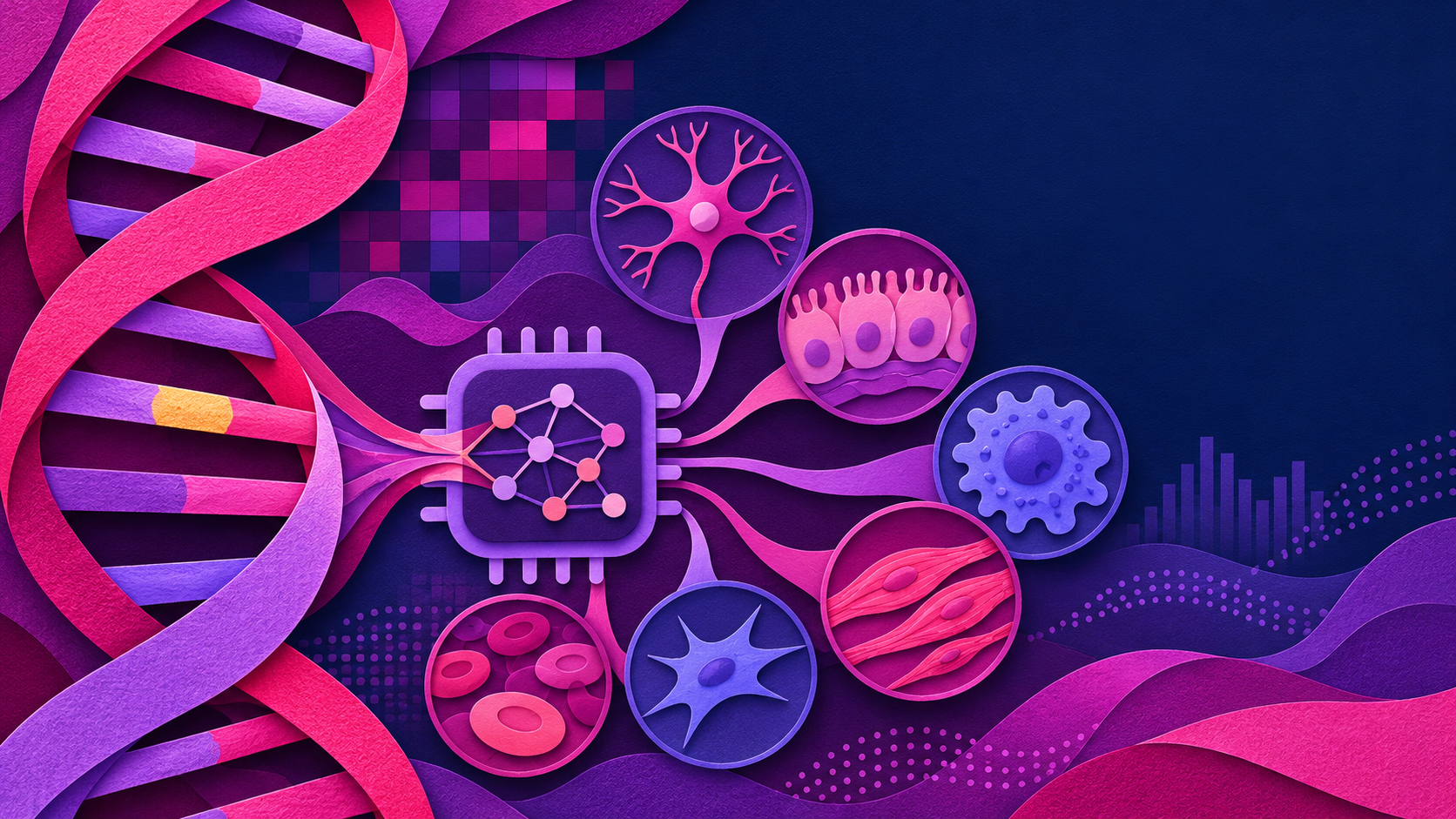
Conceptual paper-cut illustration of stylized cells and colored data patterns with a headline about the AlphaGenome 2 research model; not a photograph.
Conceptual editorial illustration · not an actual scene
Share this story

The announcement

November 11, 2026, 1:42 p.m. Central time.

Google DeepMind has introduced AlphaGenome 2, a research model designed to predict how changes in DNA may affect the activity of particular cell types. The company says the tool is available for noncommercial research through its API and in a private preview for commercial research.

The predictions are a starting point for investigation, not a medical test. DeepMind says AlphaGenome 2 has not been validated or approved for clinical or diagnostic use.

Why cell type matters

Cells share a DNA blueprint, but different kinds of cells use different parts of it. A genetic variation may affect an immune cell differently from a heart cell. Understanding those differences can help researchers decide which changes and experiments deserve closer attention.

The new model takes both a DNA sequence and a specified biological condition, such as a cell type or state, as inputs. DeepMind says it trained the system on human and mouse data, including more than 100 million individual cell profiles.

Predictions need testing

The company says the model identifies nearly twice as many variants that change gene expression in cells as its previous model. That is a developer-reported comparison, not an independently verified guarantee for every use.

Nature reported that the updated model predicts which types of cells a DNA variant may affect. The company also released a research manuscript; its full paper could not be accessed for this report. Predictions still require experimental evaluation, and they do not establish that a person has a disease.

Timeline

September 2026: DeepMind released an AlphaGenome prediction atlas. November 11, 2026: The company announced AlphaGenome 2 and research access.

Sources and visual credits

Google DeepMind: model announcement · Nature: model overview · Independent review: limits of earlier AlphaGenome

Hero and thumbnail: conceptual editorial illustration, not a photograph.