Latest
In The News

Trump Designates Oval Office a National Monument, With Room for Redecorating

The proclamation protects architectural features while expressly allowing ordinary furnishings and decor changes.

Read the story
In The News · Read the story
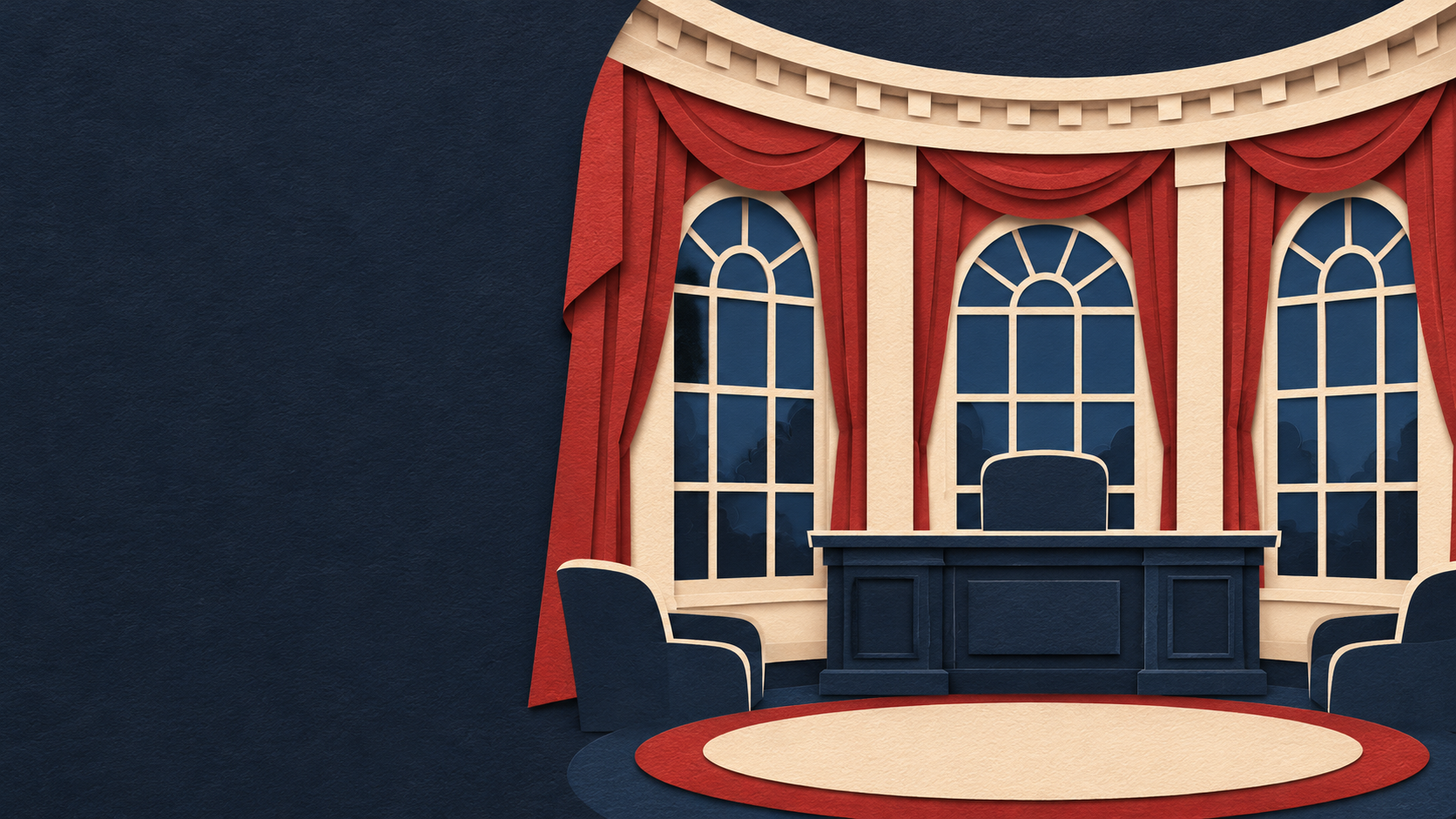
Conceptual paper-cut illustration of a generic oval office, not a photograph of the White House.
Conceptual editorial illustration · not an actual scene
Share this story

A monument inside the White House

November 5, 2026 · 7:04 p.m. Central / 8:04 p.m. Eastern

President Donald Trump on Thursday designated the Oval Office, the adjoining outer office and the Cabinet Room as a national monument, invoking the Antiquities Act in a proclamation published by the White House.

Trump said the move would protect the rooms from major future changes. But the document explicitly preserves the president’s ability to redecorate, choose furnishings and make ordinary operational or security changes that do not substantially impair the historic structure.

Presidential proclamations can also be reversed, The Associated Press noted. The designation therefore does not mean every detail of Trump’s decor is permanently frozen.

What the proclamation actually says

The monument consists of the Oval Office, the outer Oval Office and the Cabinet Room. It directs the interior secretary, through the National Park Service, to develop a preservation plan with relevant White House offices.

Before actions that would substantially alter or demolish the protected spaces or essential architectural elements, the proclamation requires documentation, review and consideration of alternatives. It also calls for consultation with the Committee for the Preservation of the White House.

The text says it does not alter existing statutory exemptions applicable to the White House or diminish Congress’s authority over federal property. Its practical application to any future proposal would depend on the circumstances.

A dispute over future changes

Trump suggested major modifications would require Congress to approve them, AP reported. The proclamation itself identifies review requirements and says ordinary redecorating remains permitted; it does not state a blanket ban on changing the rooms.

The White House and its grounds are already recognized as a National Historic Landmark, according to the proclamation. Trump has added portraits and gold-colored accents to the Oval Office during his current term, AP reported.

The president has also faced lawsuits over separate Washington construction projects, according to AP. This proclamation concerns the specified West Wing rooms; it is not a ruling on those lawsuits.

Where the rooms are

The star marks the approximate White House, Washington, D.C. area for context.

★ Approximate White House, Washington, D.C. area. Map data: OpenStreetMap contributors, ODbL. Open map.

The office and the order

Dates are local to Washington, D.C.

  1. The Oval Office’s design was refined and established in its present location during Franklin D. Roosevelt’s administration, according to the proclamation.
  2. Trump signed the proclamation covering the Oval Office, outer office and Cabinet Room.
  3. The proclamation directs the interior secretary to develop a management plan with relevant offices; it does not specify a completion date.

Reuters’ report

Reuters reported the president’s announcement on X. The full proclamation sets out the specific limits and permissions described above.

Open the original post if the embed does not load.

Sources and visual credits

White House proclamation · Associated Press · Reuters · Reuters on X.

Hero and thumbnail: generated conceptual illustration, not a photograph or reconstruction of the Oval Office. Map: OpenStreetMap contributors, ODbL.