Food discarded after cooling systems disrupted
Updated November 2, 2026, 8:22 AM Central
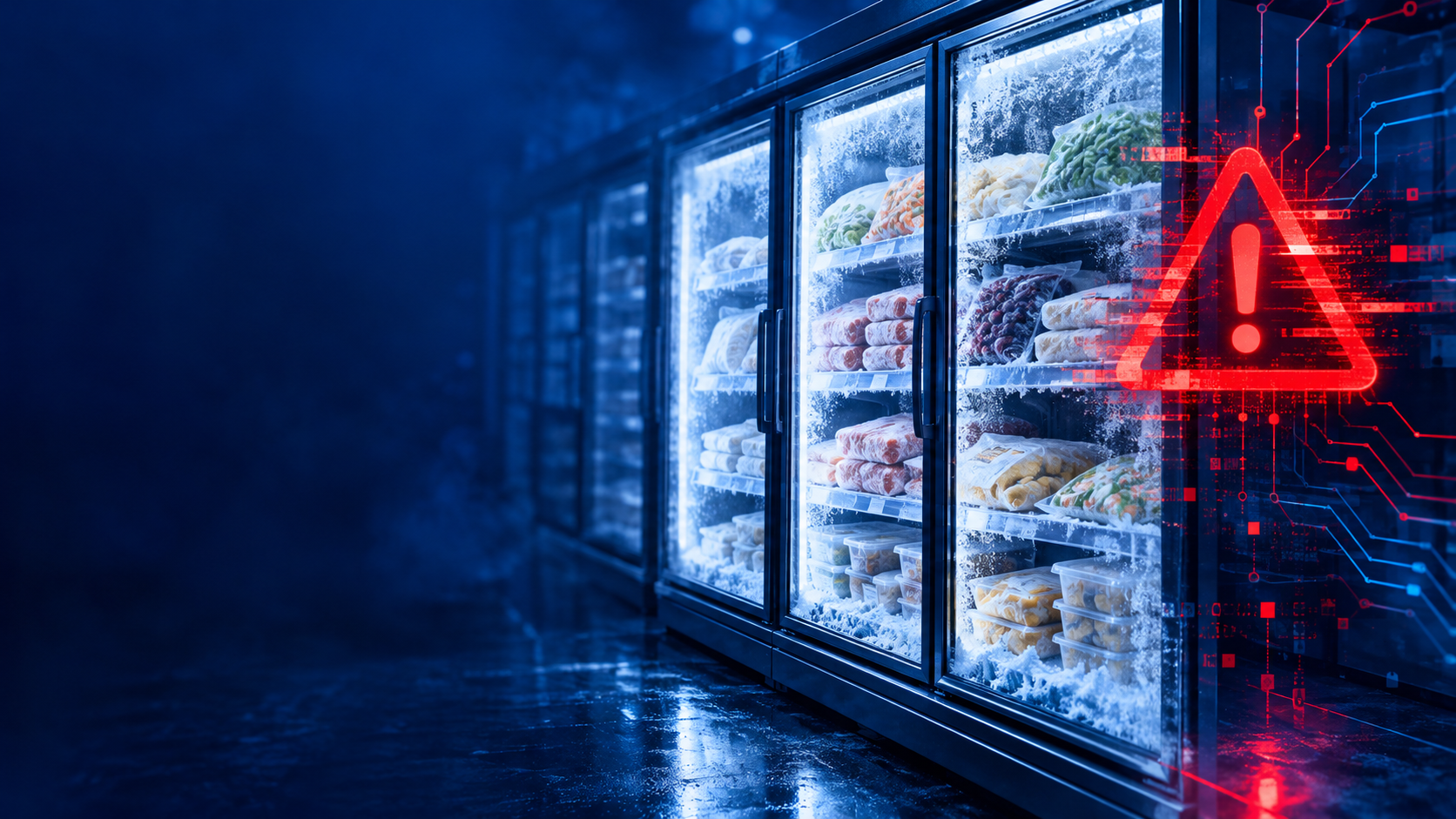
Supermarkets in several European countries have reported problems with refrigerators and freezers after apparent cyberattacks, forcing some stores to throw away food and investigate how their cooling systems were affected.
The Associated Press reported disruptions in Sweden, Belgium, Luxembourg and Estonia on Monday, November 2. Stores and companies described different impacts; not every affected retailer has publicly confirmed the same cause, and a common perpetrator has not been established.
The incidents follow a major attack on refrigerated systems in France last month. The resemblance is striking, but investigators have not established publicly that the episodes were coordinated or carried out by the same people.
What the stores are saying
In Sweden, the ICA Group told the AP via Swedish news agency TT that a limited number of its stores experienced overnight refrigeration problems. An ICA store in Sjöbo said its equipment had been hacked and set to 50 degrees Celsius—122 degrees Fahrenheit—and that affected products were being discarded. The temperature is that store’s account, not a confirmed reading for every location.
Swedish chain Coop reported problems at six stores, according to TT. Delhaize described an IT incident at several dozen stores, mostly in Belgium and some in Luxembourg. Its distribution centers and deliveries were operating normally, a spokesperson told the AP, although affected shops had a more limited range of fresh and frozen goods.
Carrefour Belgium told the AP that a cyberattack on refrigeration equipment affected 15 of its more than 700 stores. In Estonia, refrigeration technology company Kitman Coldtech told public broadcaster ERR that one client’s cooling computer was accessed; the company said it responded within minutes without significant damage. Selver said one of its stores was affected.
Why a freezer can be a cyber target
Commercial cooling systems may be connected to networks so technicians can monitor temperatures and perform maintenance remotely. Those connections can also expose equipment if access controls or software protections are inadequate. The Guardian reported that technicians disconnected affected installations while responding to the latest problems.
In October, attackers remotely changed refrigeration settings at hundreds of French stores, causing large food losses, according to the AP. Reporting about that earlier incident described vulnerabilities in older controllers. That history does not prove which equipment or access method was involved in every November incident.
Authorities and retailers are still assessing the scope and cause. Claims circulating online about a single expanding attack across additional countries or a Europe-wide loss total should not be treated as established without confirmation.
Reporting shared on X
El País posted about the developing reports in Belgium and Sweden. Its post is a news account, and the broader details above are attributed to the retailers and reporting cited in this article.
Open the post on X if the embed does not load.

Reporting shared on X
El País posted about the developing reports in Belgium and Sweden. Its post is a news account, and the broader details above are attributed to the retailers and reporting cited in this article.
Open the post on X if the embed does not load.